Businesses are always looking for ways to improve how they work and deliver a better product or service.
Over time, businesses may add new equipment, improve lighting, expand their buildings, or make other upgrades. These changes can help businesses work more efficiently and support growth. But every new piece of equipment needs power.
Many businesses focus on new upgrades without thinking about whether they have enough power to support them.
At first, this may not seem like a problem. But as buildings add more equipment, they need more power to support it. Eventually, a building may begin to reach its electrical limits.
Having enough electrical power helps businesses avoid disruptions, support growth, and keep operations running smoothly. That’s why planning ahead is important before capacity becomes a problem.
As power needs continue to increase, businesses need electrical systems that can support both current operations and future growth.
Why Electrical Capacity Matters
Electrical capacity is the amount of power a building can safely support.
When builders first construct a building, they design its electrical system to meet the needs of that time. Over time, those needs may change.
New equipment often requires larger amounts of energy than older systems.
Businesses often add:
- New equipment
- Additional lighting
- HVAC upgrades
- Automation technology
- Computer and data systems
- EV charging stations
Every upgrade needs more power.
A few small upgrades may not seem significant at first. However, these small changes can put a lot of strain on an electrical system.
Without enough power available, businesses may have equipment problems.
What Increases Power Needs in a Building
Every building is different, but some common upgrades can increase power usage.
New Equipment and Machinery
As businesses grow, they add equipment to improve efficiency, expand product lines, and support new business goals.
Manufacturing equipment, refrigeration systems, processing equipment, and other machines can require large amounts of power.
Adding new equipment without checking power levels can cause problems.
Building Expansions
Many businesses expand their facilities as they grow.
Bigger spaces need more lighting, outlets, and equipment.
As facilities become larger, their power needs grow as well.
These projects require careful planning to make sure the building has the resources required to support additional electrical demand.
EV Charging Stations
More businesses are adding EV charging stations for employees, customers, and company vehicles.
Charging stations can help a business, but they can also increase a building’s power needs.
Before installing charging stations, businesses should understand how the additional load may impact their available power.
Automation and Technology
Technology is a big part of how businesses run today.
Many buildings now rely on automation systems, smart devices, sensors, and connected equipment to improve efficiency.
Automation software helps businesses monitor equipment, track progress, and manage daily operations.
These tools help businesses work faster, but they also need steady power.
Together, these upgrades use more of a building’s available power.
Warning Signs of Limited Electrical Capacity
Many businesses don’t realize they are running out of power until problems start.
Some common warning signs include:
- Tripped breakers
- Flickering lights
- Overloaded electrical panels
- Difficulty adding new equipment
- Equipment performance issues
- Little space for new circuits
These problems may seem small at first, but they can become much larger over time.
Identifying these warning signs early can help businesses avoid bigger issues later.
The Cost of Waiting Too Long
Many businesses wait until they experience a problem before evaluating their electrical power.
Waiting can lead to higher costs and disruptions. If a building runs out of power, businesses may have to delay installing new equipment until upgrades are done.
In some cases, businesses may need emergency repairs or service upgrades to support critical operations. Businesses may spend more and face scheduling challenges when they wait until a problem occurs.
Planning ahead helps protect a company’s bottom line by reducing unexpected costs.
Planning early helps teams stay on schedule, meet strategic goals, and improve overall resource management. It also supports long-term success by preventing costly delays.
Why Planning Ahead Matters
Waiting until power becomes a problem can create unnecessary challenges.
Checking electrical power should be part of every project planning process.
Businesses often spend more on emergency upgrades and must complete them while the building is still operating. In some cases, businesses may need to delay expansion projects or equipment installations until they complete electrical upgrades.
Planning ahead gives businesses more control over every project time frame.
Benefits of Planning Ahead:
- Reduced risk of downtime
- Lower operating costs
- Better support for future growth
- Improved reliability
- Easier equipment installations
Planning ahead allows businesses to make upgrades before problems happen.
How to Check Electrical Power
The first step is knowing how much power a building uses today and how much is left.
An electrical check can show:
- Current power usage
- Available electrical power
- Equipment operating near its limits
- Areas that may need upgrades
- Opportunities for growth
This information helps business leaders and project managers make informed decisions and plan upgrades.
Knowing where a building stands today can help prevent problems tomorrow.
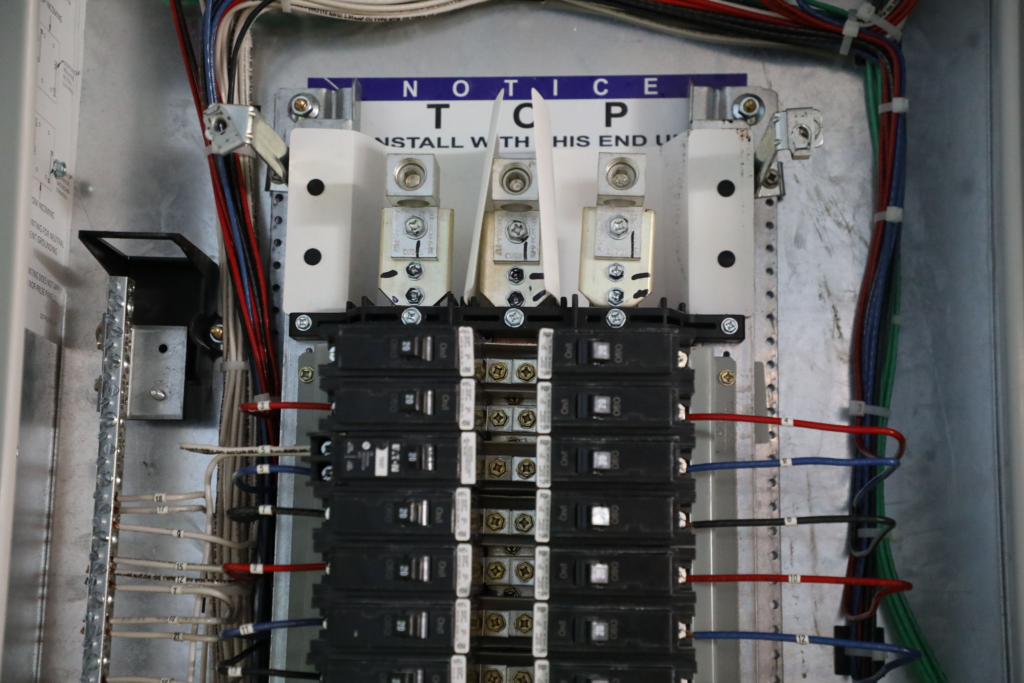
An electrical check often starts by looking at existing systems and current power use.
Source: Rogers Electric
Planning for Future Growth
Business needs rarely stay the same.
A company may add new equipment, expand operations, increase production, or adopt new technology over time.
That’s why electrical planning should focus on both current and future needs.
Businesses should think about:
- Future equipment additions
- Building expansions
- Automation projects
- EV charging installations
- Long-term business goals
Planning for growth today can help maintain reduced costs later.
It can also make future projects easier and less disruptive.
How Capacity Planning Supports Business Operations
Having reliable electrical systems helps team members work safer and faster.
Reliable power also helps businesses maintain excellent customer service by limiting disruptions.
When businesses have enough electrical power, they can add equipment, expand operations, and adopt new technology with confidence.
Employees can work more efficiently. Equipment can operate as intended. Future projects can move forward without unexpected electrical challenges.
Capacity planning is not just about solving today’s problems. It’s about preparing for future opportunities.
Businesses that understand their electrical needs are often better prepared for growth.
Looking Ahead
Power needs are growing across a wide range of industries.
Businesses are investing in automation, technology, EV charging, and other electrical upgrades that require more power than ever before.
As buildings change and grow, electrical power will become even more important.
Companies that plan ahead will be better prepared to support growth, avoid disruptions, and adapt to changing business needs.
At Rogers Electric, we help businesses understand their electrical systems and plan for future growth.
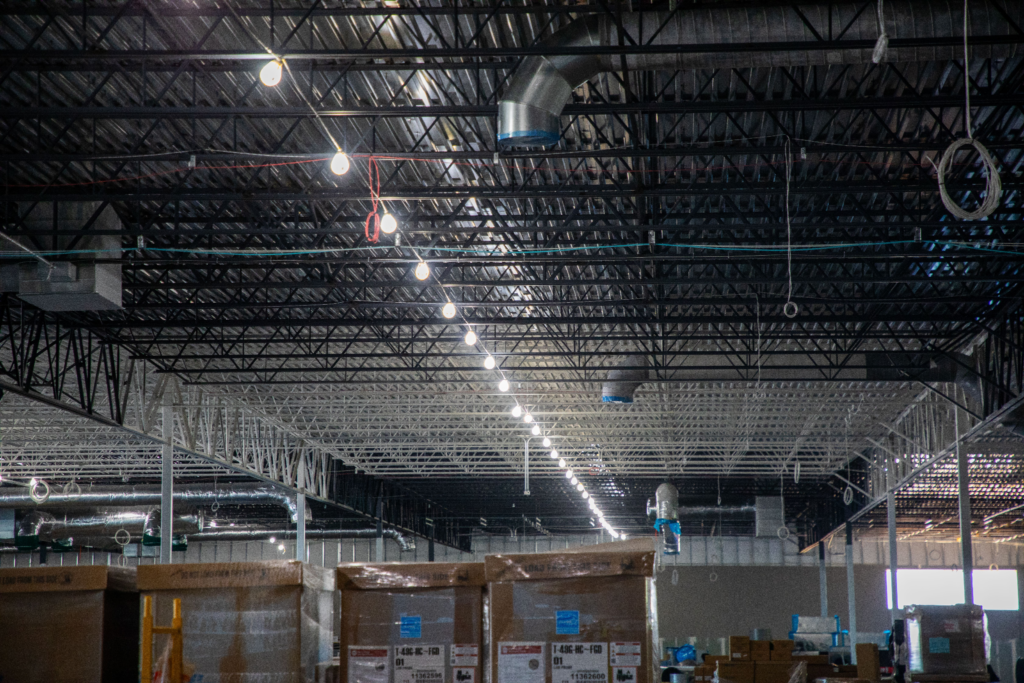
Planning today can help prevent power problems tomorrow.
Source: Rogers Electric
Ready to Plan for Future Growth?
Rogers Electric provides electrical solutions that help businesses prepare for growing power needs.
Contact our team at [email protected] to help plan your future power needs.
Key Takeaways
- Businesses add new equipment, technology, and building upgrades over time.
- Every new addition increases a building’s electrical power needs.
- Limited electrical capacity can lead to equipment problems, delays, and higher costs.
- Planning ahead helps businesses avoid unexpected disruptions and supports future growth.
- Checking electrical capacity before large projects can help find issues early.
- A strong approach makes it easier to add new equipment, expand operations, and prepare for future business needs.
Frequently Asked Questions:
What is electrical capacity?
Electrical capacity is the amount of power a building’s electrical system can safely support.
Why should businesses check electrical power?
Evaluating electrical power helps businesses identify limitations before adding new equipment, technology, or systems.
What can increase a building’s power needs?
Common causes include new equipment, automation systems, building expansions, HVAC upgrades, computer systems, and EV charging stations.
What are signs that a building may be running out of electrical power?
Common signs include tripped breakers, overloaded panels, flickering lights, equipment issues, and difficulty adding new equipment.
When should a business plan for electrical upgrades?
Businesses should check electrical power before major expansions, equipment installations, automation projects, or EV charging deployments.