Smart Building Systems: Everything Businesses Need to Know
Smart building technology helps businesses improve efficiency, reduce energy use, and automate building operations through connected systems.
Read More
New technology is helping construction teams work smarter, save money, and make better decisions.
One innovation gaining traction is digital twin technology.
As commercial buildings become more advanced, digital twins help owners, contractors, and managers run them day to day.
A digital twin is a virtual copy of a physical asset, such as a building, electrical system, or facility.
Unlike a basic model, a digital twin updates using data from sensors and connected data sources in the building.
This real-time connection helps teams see how building systems are working, find problems, and fix issues before they happen.
Think of a digital twin as a digital version of a building that updates as the real world building changes over time.
Building Information Modeling (BIM) has improved project planning and design by giving teams detailed 3D models to work from.
Digital twins build on this foundation by using live data after construction is complete.
Teams use BIM during design and construction, but they use digital twins to support operations, maintenance, and future upgrades.
For electrical systems, this helps building owners track energy use, equipment health, and system performance after construction is complete.
Improved Project Planning and Coordination:
Digital twins give project teams a better view of a wide range of building systems and how they work together. By identifying possible challenges before construction begins, teams can improve coordination and reduce costly rework.
Enhanced visibility also supports more accurate decision-making throughout the project.
Better Facility Performance:
Once a building is up and running, digital twins allow facility managers to track performance in real time. Teams can track electrical systems, lighting, and other technologies in real time to make sure everything is working correctly.
This helps organizations find problems, improve energy use, and maintain consistent performance.
Predictive Maintenance:
One of the most valuable uses of digital twin technology is predictive maintenance.
Instead of waiting for inspections or equipment failures, facility teams can use real-time data to spot problems early. This approach helps reduce downtime, extend equipment lifespan, and lower maintenance costs.
For critical electrical systems, early problem detection can help prevent disruptions that affect daily operations.
Improved Environmental Efforts:
As organizations continue working toward environmental goals, digital twins provide useful insights into energy usage and building performance.
Real-time data helps facility managers reduce energy use, support energy optimization, and meet environmental goals. These insights help organizations make smarter decisions about upgrades, maintenance plans, and long-term energy management.
Digital twins are especially useful for managing complex building systems like electrical distribution, lighting, and HVAC.
Using real-time data from connected devices gives teams a clearer view of how systems are working day to day.
For electrical systems, this helps catch problems early and improve maintenance planning. It also helps teams understand energy use across a facility and helps them plan future upgrades and improvements.
As buildings become more advanced and connected, digital twins help electrical contractors plan, maintain, and improve key systems.
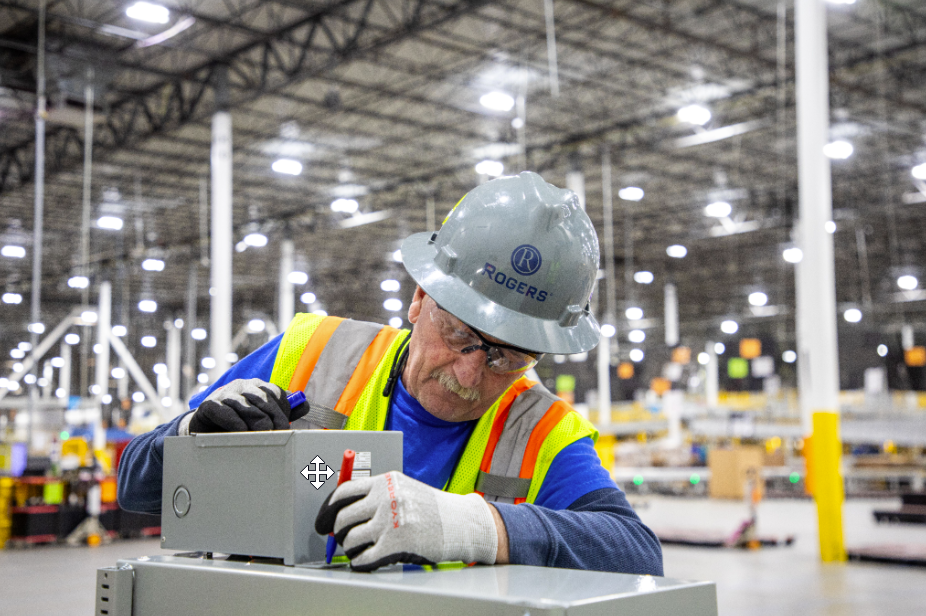
Smart buildings are becoming more common as organizations invest in connected technologies that improve building performance and save energy.
From lighting controls and HVAC systems to energy tracking tools, modern buildings generate more data than ever before.
Digital twins bring this information together in one place, helping teams better understand how building systems are working.
As connected technologies continue to grow, digital twins will become an even more useful tool for managing buildings.
As smart buildings and connected technology become more common, digital twins will play a bigger role in construction.
Future uses may include artificial intelligence, machine learning tools, automated maintenance suggestions, and stronger connections between building systems.
As buildings create more real-time data, digital twins help organizations improve building performance, operations, and management.
Organizations that use these technologies today may be better prepared for the future of construction and building management.
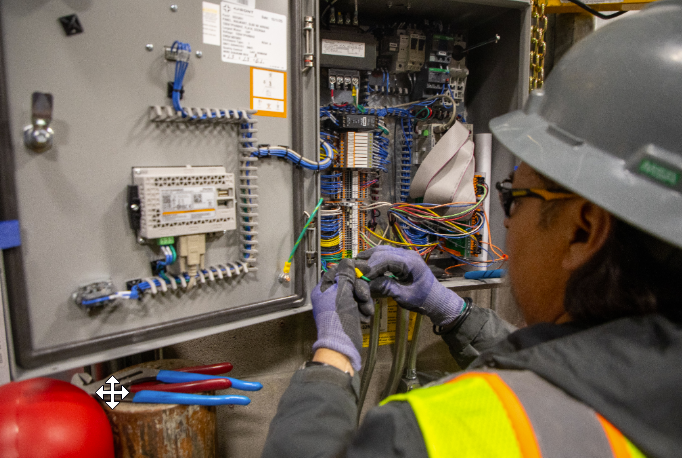
Construction no longer ends when a project is finished.
Building owners and managers are focusing more on how buildings perform over time, making long-term planning more important.
Digital twins are helping connect construction, technology, and building operations.
By providing real-time data, digital twins are enabling organizations to make informed decisions and plan for the future.
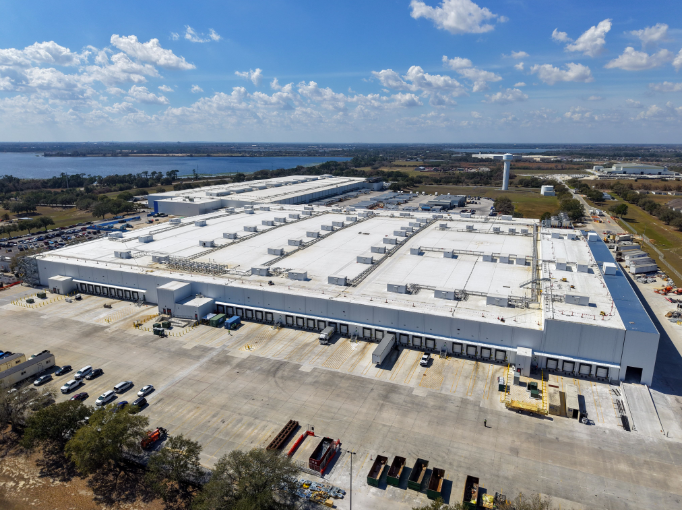
The construction industry is becoming more connected, data-driven, and focused on long-term performance.
As digital twin technology grows, companies that invest in smarter building strategies will be better prepared for the future.
At Rogers Electric, we stay informed on the latest industry trends and new technologies shaping the built environment.
Explore our resources for more insights into the trends changing construction, building management, and electrical systems.