Energy consumption is a significant operational expense for commercial facilities. Yet, many buildings waste energy without realizing it.
Studies show that nearly 30% of energy in commercial buildings is wasted. This is due to inefficiencies in lighting, HVAC systems, and insulation.
An energy audit is a powerful tool that identifies where, when, and how energy is being used. This helps facility managers reduce waste and cut costs.
At Rogers Electric, we focus on energy audits that help commercial buildings save money and improve efficiency. From LED lighting upgrades to HVAC optimizations, we help businesses boost sustainability.
In this blog, we’ll break down what an energy audits is. Most importantly, we’ll discuss how Rogers Electric can help your facility save money and improve performance.
What is an Energy Audit?
An energy audit is a structured assessment of how a building uses energy. It identifies where energy is wasted and opportunities for energy savings. It also ensures that the building meets industry standards.
According to the U.S. Energy Information Administration, commercial buildings in the U.S. consume 6.8 quadrillion British thermal units (BTUs) of energy annually. Nearly 32% of this is used for space heating, 11% for ventilation, and 10% for lighting. These are areas where energy audits can significantly reduce waste and costs.
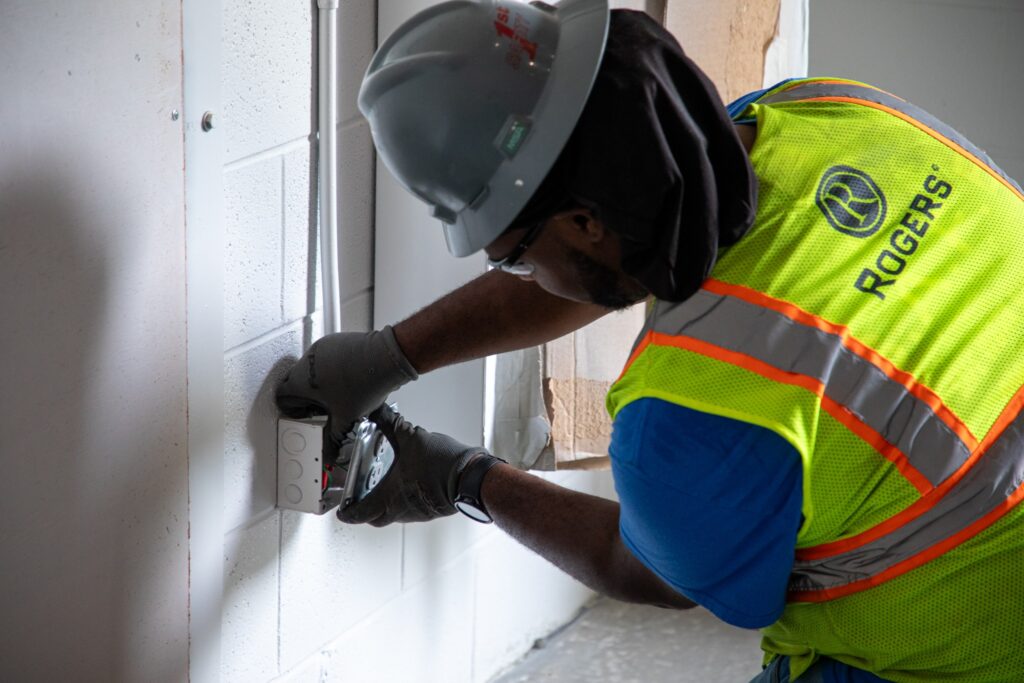
Rogers Electric can conduct an energy audit for your business to find ways to save money.
Source: Rogers Electric
When businesses carry out an energy audit, they can discover valuable information that helps them to:
- Save money on energy bills
- Improve equipment performance
- Extend lifespan of electrical and mechanical systems
- Meet green building standards like LEED and Energy Star
- Improve comfort and safety for everyone inside the building
Types of Energy Audits
Energy audits vary in complexity, depending on how thorough the analysis needs to be. The American Society of Heating, Refrigerating, and Air-Conditioning Engineers (ASHRAE) defines three primary levels of energy audits:
1. Level 1: Walk-Through Analysis
- A basic assessment that identifies simple, low-cost energy-saving measures.
- Includes a review of utility bills and a visual inspection of the facility.
- Helps determine whether more audits are needed in the future.
2. Level 2: Energy Survey & Analysis
- A more detailed analysis involving diagnostic tools such as blower doors, infrared cameras, and duct leakage testers.
- Analyzes how much energy is being used and offers cost assessments for possible improvements.
- Identifies both low-cost and capital-intensive energy-saving opportunities.
3. Level 3: Investment-Grade Audit
- A detailed engineering study that provides an in-depth cost-benefit analysis of major energy efficiency investments.
- Often required for securing financing, rebates, and incentives.
- Includes simulations and advanced monitoring to project long-term savings.
At Rogers Electric, we conduct customized energy audits that align with these standards. We help ensure businesses receive the right level of detail for their specific needs.

Customized energy audits will help your commercial facility use energy efficiently.
Source: Rogers Electric
How Energy Audits Benefit Commercial Facilities
Investing in an energy audit provides significant advantages:
1. Lower Energy Costs
By addressing inefficiencies, energy audits can reduce electricity bills by 5% to 30%. Simple upgrades—like switching to LED lighting or optimizing HVAC settings—can result in substantial savings.
2. Improved Equipment Efficiency
Older HVAC, lighting, and electrical systems often operate inefficiently. An audit helps identify aging equipment that needs upgrades, reducing wear and tear and maintenance costs.
3. Enhanced Comfort & Productivity
Poor lighting and inconsistent temperatures can negatively impact employee productivity and customer experience. Audits ensure optimal indoor environments, improving comfort and reducing complaints.
4. Compliance with Energy Regulations
Many states require businesses to meet energy efficiency standards. Energy audits help facilities comply with local, state, and federal regulations, avoiding penalties and increasing eligibility for rebates.
5. Sustainability & ESG Goals
For businesses prioritizing sustainability, energy audits help reduce carbon footprints and support corporate ESG (Environmental, Social, and Governance) initiatives.
Rogers Electric’s Approach to Energy Audits
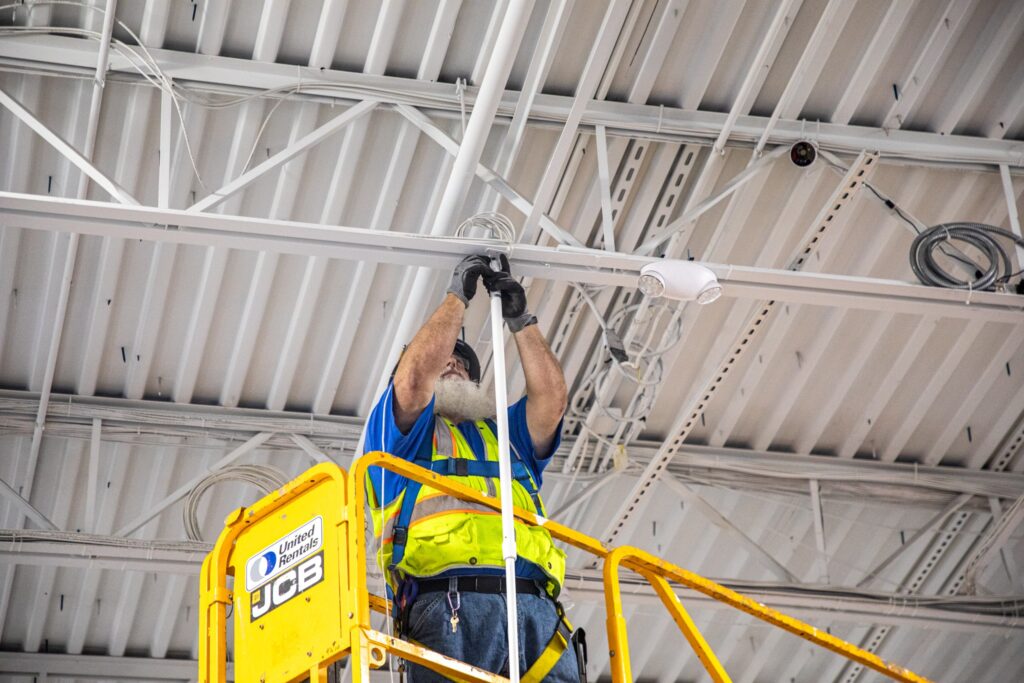
Contact Rogers Electric for your commercial facility’s energy audit.
Source: Rogers Electric
At Rogers Electric, we provide a turnkey solution for commercial energy audits. Our process includes:
1. Data Collection & Benchmarking
We analyze your facility’s historical energy data to compare usage against industry benchmarks.
2. On-Site Assessment
Our certified energy auditors conduct detailed inspections of lighting, HVAC, electrical, and insulation systems. We use advanced diagnostic tools to pinpoint energy leaks and inefficiencies.
3. Customized Recommendations
We create detailed reports outlining low-cost improvements and high-impact investments. Our recommendations include lighting retrofits, automation controls, and HVAC optimizations.
4. Implementation & Upgrades
We execute energy-saving upgrades, such as LED lighting installations, smart controls, and power distribution improvements. Our team ensures seamless integration with existing systems.
5. Ongoing Monitoring & Maintenance
We provide continuous tracking of energy consumption to measure results. Our preventive maintenance services help facilities maintain long-term efficiency.
Schedule Your Energy Audit Today
With energy costs rising, now is the perfect time to assess your facility’s efficiency. It doesn’t matter whether you operate a retail store, corporate office, or an industrial facility. Rogers Electric can help you uncover hidden savings and use your energy efficiently.
Ready to improve efficiency and lower costs? Contact Rogers Electric today to schedule a professional energy audit!