Smart Building Systems: Everything Businesses Need to Know
Smart building technology helps businesses improve efficiency, reduce energy use, and automate building operations through connected systems.
Read More
Thermal imaging gives facilities a clear view inside live electrical equipment. It shows heat patterns that point to loose connections, overloaded circuits, and failing parts. These issues often exist long before a system shuts down.
What once felt optional is becoming standard. New national guidelines, higher power loads, and smarter facility management are all pushing adoption forward.
Teams now want fewer surprises. They want better planning. They want data they can trust. Thermal imaging delivers all three.
Thermal imaging is quickly becoming a standard part of electrical maintenance. To learn how this applies to your facility, download our Thermal Imaging Overview to see how inspections work, what they reveal, and how businesses are using them to stay compliant and reduce risk.
In 2023, the National Fire Protection Association updated NFPA 70B, the Standard for Electrical Equipment Maintenance. For the first time, electrical upkeep became a formal requirement rather than a recommendation.
The update sets clear inspection schedules, calls for documentation, and promotes condition-based care. For many systems, it includes thermographic scans every 6 to 12 months.
The new standard “makes electrical maintenance mandatory and establishes inspection intervals for electrical equipment,” expanding the role of infrared inspections across commercial facilities.
This matters now because insurance requirements are changing alongside these standards. Many carriers are beginning to expect documented electrical maintenance programs and regular infrared inspections as part of risk management.
NFPA guidance often shapes both local codes and insurance policies, which means what used to be optional now defines best practice. As a result, many organizations are building programs around NFPA 70B electrical maintenance, with thermal imaging at the center of that shift.
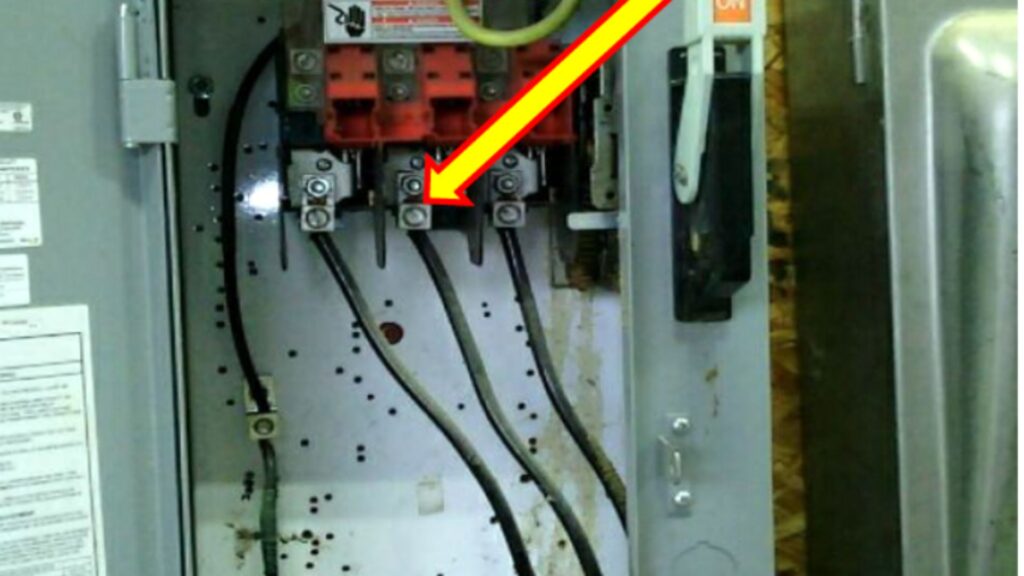
Thermal cameras read temperature differences in energized equipment. Abnormal heat often points to trouble.
Typical findings include:
Because scans happen on live systems, teams do not need to shut equipment down. Facilities can spot issues early and plan repairs on their own schedule.
Thermal imaging supports commercial electrical inspections by identifying abnormal heat patterns before failures occur.
This approach replaces guesswork with insight. Maintenance becomes planned, not reactive. That change defines electrical preventive maintenance in modern facilities.
Many facilities already rely on visual inspections and routine walkthroughs. Teams open panels, look for wear, and listen for problems. These steps still matter, but they only show what is on the surface.
Thermal imaging goes deeper. It shows what heat reveals inside components like a circuit breaker, bus bar, or connection point. These are areas that may look normal but operate under stress.
This matters because many electrical issues develop silently. A connection can loosen over time. A breaker can run hotter than designed. These changes do not always show up during visual inspections.
Thermal imaging fills that gap. It adds a data layer to existing practices. It supports maintenance programs built around the national electric code and modern standards.
Facilities that combine routine checks with thermal scans gain a clearer picture of system health. They move from surface-level review to true condition awareness.
This approach strengthens planning. It reduces blind spots. It gives teams confidence in their maintenance strategy.
Unexpected failures cost time and money. They stop operations, delay production, and often require emergency repairs.
Thermal imaging reduces those risks:
Fixing a loose connection during a routine scan costs far less than recovering from a shutdown.
Infrared inspections help organizations reduce unplanned downtime by identifying issues before they escalate.
Thermal data also improves budgeting. Facilities can see which assets need attention and plan upgrades with confidence. This forms the backbone of predictive maintenance for businesses.
By 2026, most commercial sites will follow structured maintenance programs. Documentation, inspection intervals, and condition-based care will be standard.
Thermal imaging will support routine maintenance, compliance, facility audits, capital planning, and risk management. It gives facilities clearer insight into system health and helps teams move from reactive fixes to informed planning.
Facilities should prepare by adding scans to maintenance schedules, tracking findings, prioritizing repairs with data, and using results to guide future upgrades.
This approach reduces uncertainty. It supports clear electrical infrastructure planning and long-term stability.

Thermal imaging works best within a program. That program needs:
Commercial systems are complex. Heat patterns mean little without context. Load, environment, and equipment type all matter.
Experienced electrical partners translate scan results into clear, actionable decisions. With the right guidance, facilities can set repair priorities, plan upgrades, improve reliability, reduce disruption, and stay ahead of new standards.
Instead of guessing where problems may exist, teams gain a clear picture of what needs attention and when, allowing them to manage systems with purpose rather than urgency.
Thermal imaging is no longer a one-time service or a reactive tool. It is part of a long-term strategy for managing electrical infrastructure with confidence.
By building it into routine maintenance, facilities create a smarter, more predictable approach to system health, one that supports growth, reduces surprises, and prepares buildings for what comes next.
Thermal imaging is becoming standard for a reason. It helps businesses meet new expectations, reduce downtime, and manage systems with clarity.
Rogers Electric supports commercial facilities with thermal imaging services, electrical inspections, and maintenance strategies built for the future.
Schedule a consultation with our team to learn how thermal imaging can strengthen your infrastructure and help you stay ahead.