Smart Building Systems: Everything Businesses Need to Know
Smart building technology helps businesses improve efficiency, reduce energy use, and automate building operations through connected systems.
Read More
Commercial electricity is changing fast. In 2025, businesses across the United States were using more power than ever before.These changes are shaping commercial electrical infrastructure for 2026 and beyond.
Electricity now plays a bigger role in daily operations. It powers equipment, technology, safety systems, and entire facilities. For many businesses, reliable power is no longer a bonus, but a requirement.
At Rogers Electric, we see these changes every day. Companies are asking for stronger systems, better reliability, and space to grow. Electrical planning has become a key part of business planning.
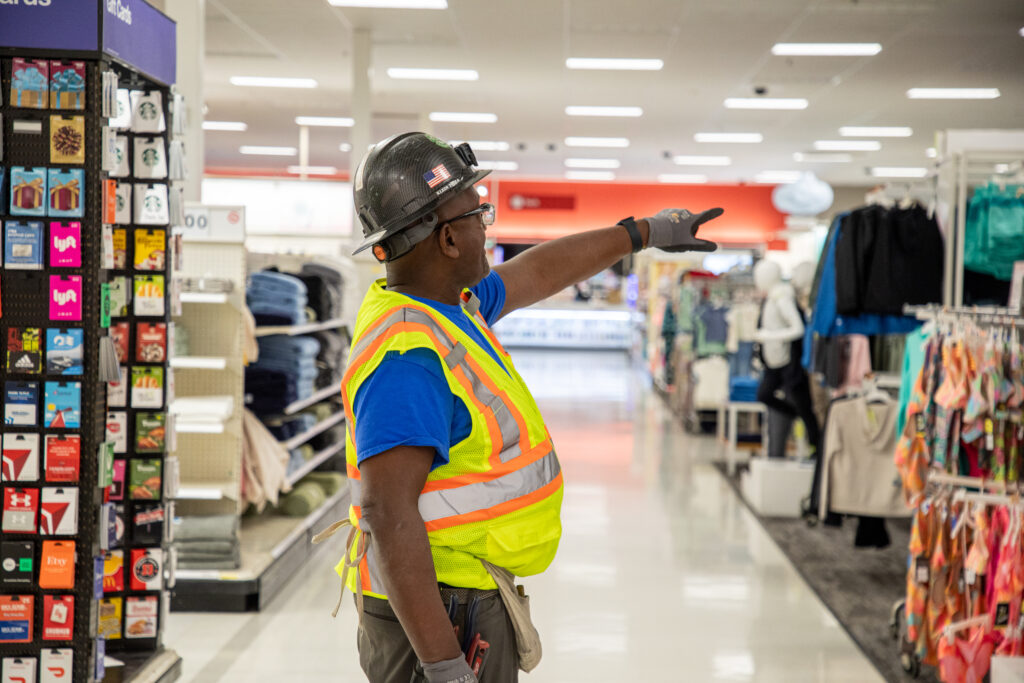
Commercial power demand continues to rise. Businesses rely more on electric systems than they did in the past. Automation, digital tools, and modern equipment all require steady power.
Many facilities now operate longer hours, even 24 hours a day, while others use more machines and computers than ever before.
Commercial electricity use is expected to pass residential use for the first time in 2026. This shows how much power businesses now consume.
Electricity use across the country is reaching record levels. Power generation is increasing to keep up with demand. Even so, many older buildings struggle to handle higher electrical loads.
This creates a challenge for businesses. Electrical systems that worked in the past may no longer be enough. Without upgrades, systems can become overloaded or unsafe.
Planning for higher power demand is now essential. Businesses must think ahead and prepare for growth.
Business infrastructure in 2026 will require stronger electrical systems. Facilities must handle more power and more complexity.
Electrical systems should be built with the future in mind.
Key areas to focus on include:
Businesses that invest early will be better prepared. They can grow without major disruptions. Strong systems also improve safety and reliability.
As power demand grows, business infrastructure must change. Electrical systems now power production lines, data systems, climate control, safety equipment, and electrical vehicle charging stations.
This means systems must be stronger and more reliable. They must also allow for future expansion.
Businesses that fail to plan ahead often face costly upgrades later. In some cases, operations must pause while electrical work is completed. This can lead to lost time and revenue.
Electrical infrastructure planning helps avoid these problems. It allows businesses to grow without major disruptions.
Strong planning also improves safety. Properly sized systems reduce the risk of overloads and failures.
Large construction projects play a major role in rising power demand. Facilities like data centers, factories, and distribution hubs require large amounts of electricity.
Megaprojects continue to drive growth in commercial construction. These projects require advanced electrical systems and careful coordination with utilities.
Data centers are a major example. They rely on constant power to operate. Even short outages can cause serious problems.
To prevent downtime, data centers use backup systems and redundant power paths. They also require strong power distribution and cooling support.
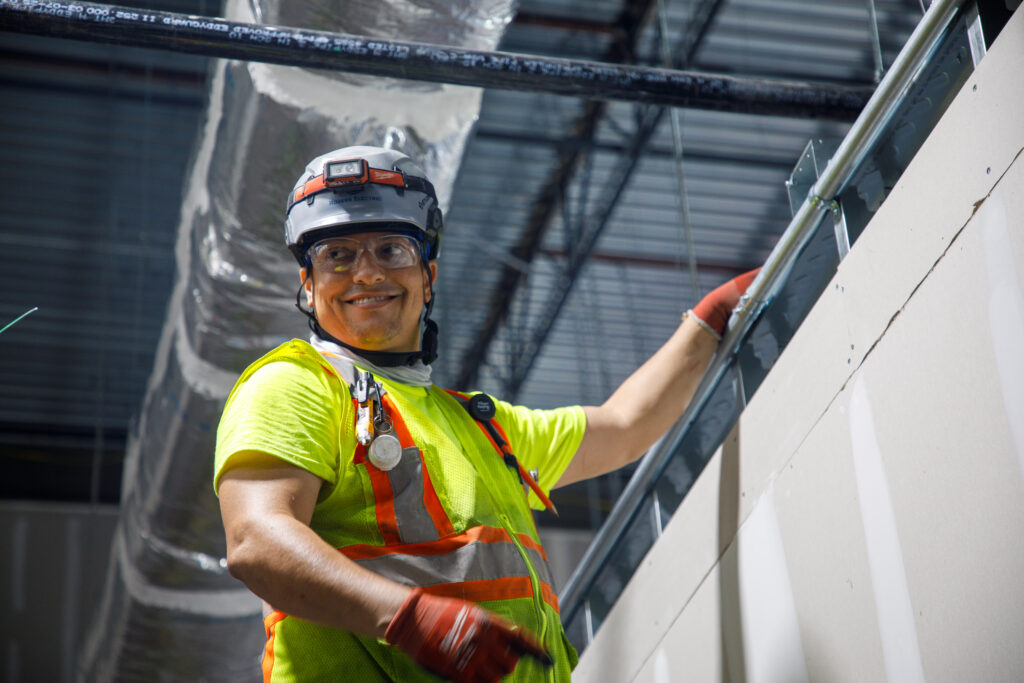
Commercial electrical construction has become more complex. Systems must handle higher loads and stricter requirements.
New buildings often require more power than older ones. They also use more advanced technology. This includes automation, monitoring systems, and smart controls.
Electrical contractors must design systems that are safe, reliable, and flexible. They must also consider future needs.
Strong commercial electrical construction supports long-term success. It allows businesses to operate smoothly and adapt as needs change.
Poor design can lead to frequent issues. These include tripped breakers, overheating equipment, and downtime.
That is why experienced electrical contractors are so important. They understand how to design systems that last.
Many businesses face similar electrical challenges. These challenges grow as power demand increases.
Power must move safely through a building. As loads increase, distribution systems must handle more capacity. Poor distribution can lead to overloads and failures. Good design keeps systems balanced and safe. Thoughtful planning also provides flexibility for expansion, enabling businesses to incorporate new equipment without significant renovations.
Circuit breakers protect systems and equipment and can stop power flow when problems occur. As systems grow, older breakers may no longer be enough. New or larger breakers may be needed. Proper protection reduces fire risk and equipment damage and also improves safety for workers.
Power outages can stop operations. Even short outages can cause problems. Backup power systems help businesses stay online. Generators and uninterruptible power supplies provide support during outages. These systems protect equipment and data as well as reduce downtime.
As energy costs continue to rise, businesses want to control expenses. Monitoring systems help track energy use by showing where power is wasted. These tools help manage peak demand while also improving efficiency. Better efficiency supports long-term savings.
Grid reliability is critical. As demand grows, the grid must support higher loads. Supply chain issues can also affect electrical projects. Equipment delays can slow progress. Planning early helps businesses avoid delays and stay on schedule.
Electrical planning is not just about today, it’s about the future. Businesses that plan ahead save money over time by avoiding emergency upgrades and downtime. They also gain flexibility so that systems can adapt as needs change. Electrical planning is key for long-term success.
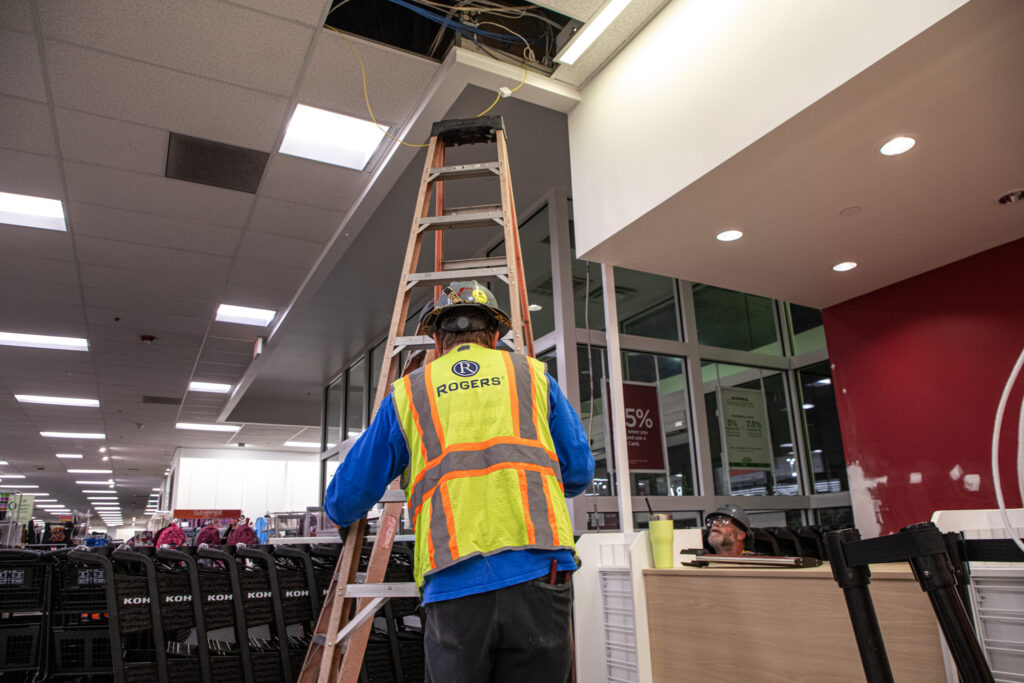
Electricity now plays a central role in business operations. From power generation to distribution and protection, electrical systems support everything a business does. Commercial electricity trends in 2025 are shaping how infrastructure will look in 2026. Businesses must respond with smart planning and strong systems.
At Rogers Electric, we help businesses design, install, and maintain electrical systems built for the future. Our teams understand the challenges businesses face and provide solutions that last. As demand continues to grow, the need for reliable power will only increase.
Ready to Plan for What’s Next?
Rogers Electric helps businesses design and upgrade commercial electrical systems built for growth, reliability, and code compliance.
Schedule a consultation today with our team to discuss your electrical infrastructure needs and plan for 2026.