The Rise of Digital Twins in Construction
Digital twins are changing construction by connecting real-time building data with smarter operations, maintenance, and long-term facility management.
Read More
Businesses that operate many locations face a unique challenge. Every location must deliver the same experience to customers.
Lighting should feel familiar. Technology should work the same way. Store layouts and systems should follow the same standards.
At the same time, these businesses must introduce improvements across many locations while keeping daily operations running.
This is where rollouts become important.
A rollout allows companies to introduce upgrades across multiple locations in a controlled and organized way. Instead of managing each location separately, businesses follow a structured process that guides work across the entire network.
For multi-site businesses, this approach helps maintain consistency, improve efficiency, and support long term growth.
A rollout process helps businesses make improvements across many locations.
Most rollout projects begin with planning. Project leaders set goals, timelines, and technical requirements before work begins.
Once the plan is in place, teams begin making the same upgrades at multiple sites.
These upgrades can include lighting improvements, electrical work, technology installations, or store remodels.
Because the work repeats at many locations, teams follow the same steps each time. This helps ensure every site receives the same improvements and meets the same standards.
For multi-site businesses, a clear process helps deliver consistent results.
Consistency is one of the biggest benefits of a structured rollout.
Customers expect the same experience every time they visit a location. A store in Atlanta should feel similar to one in Chicago or Phoenix.
Lighting, signage, and technology should work the same way at each site.
A structured rollout process helps make this possible.
When teams follow the same design standards and installation steps, every location receives the same upgrades. This helps businesses maintain their brand and build customer trust.
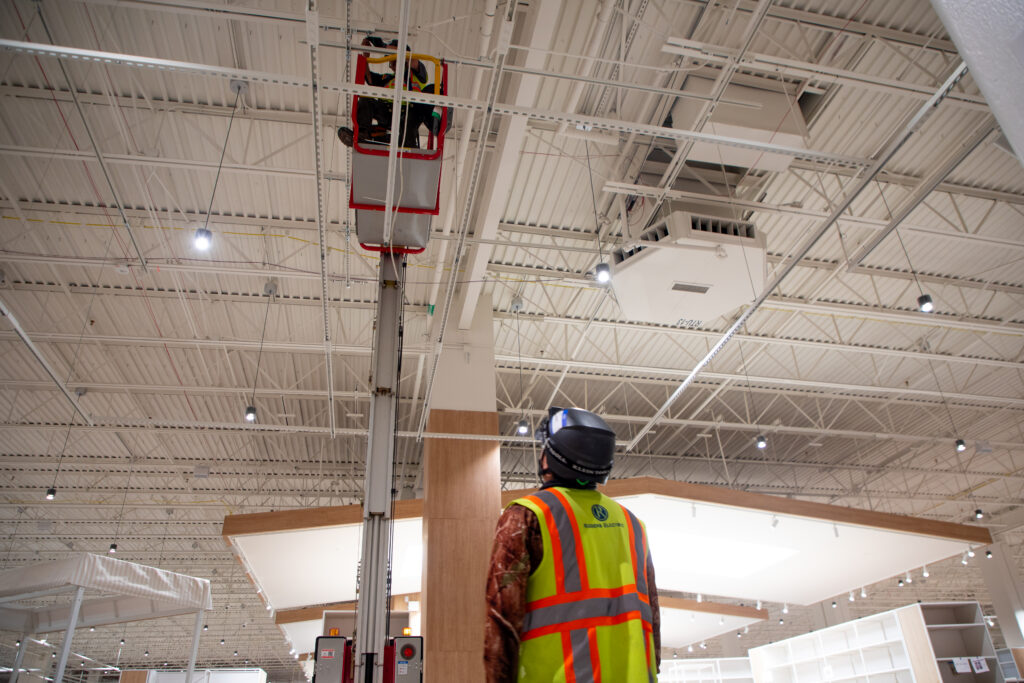
Multi-site businesses operate across many regions and markets.
Each location may have different permitting requirements, building codes, or construction timelines.
Because of these differences, planning becomes essential.
Project teams must coordinate schedules, materials, and labor across locations.
A structured rollout process helps businesses manage these challenges. Teams can follow a defined plan while adjusting for local requirements.
This balance allows companies to introduce improvements across multiple locations without losing efficiency.
Efficiency becomes critical when businesses upgrade many locations.
Without a clear process, teams may spend time solving the same problems again and again.
Rollout programs help eliminate this issue.
Once teams complete upgrades at the first locations, they can repeat the same methods at future sites.
This repeatable approach improves efficiency and reduces project delays.
For multi-site businesses, this efficiency allows improvements to reach locations faster.
Large rollout programs require strong management systems.
Management systems help project teams track progress, schedules, and materials across multiple locations.
These systems provide visibility into the entire process.
Project leaders can see which locations are complete, which sites are in progress, and where challenges may occur.
Strong management systems also improve communication between contractors, project managers, and company leadership.
When information is clear and organized, projects move forward more smoothly.
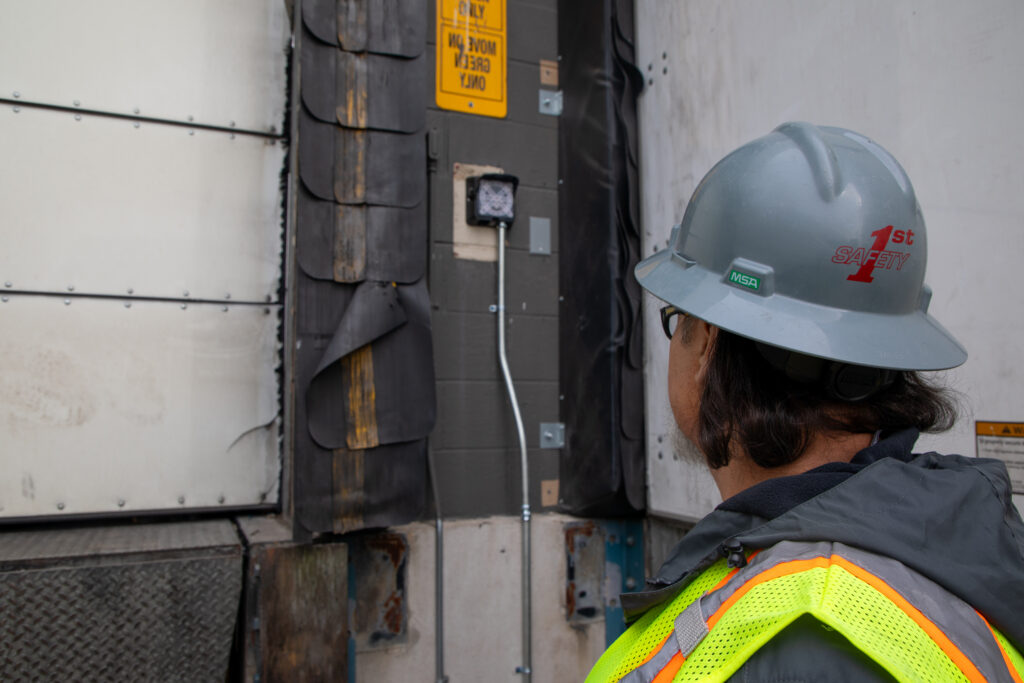
Rollouts require many teams to work together.
Project managers, contractors, electricians, and site managers must stay connected.
Clear communication helps projects move smoothly.
Management systems allow teams to share updates quickly. Everyone can see schedules, progress, and project changes.
This helps prevent delays and confusion.
Strong communication is a key part of a successful rollout process.
Many programs focus on modernizing technology and infrastructure.
Businesses may introduce new lighting systems, electrical infrastructure upgrades, or technology platforms across multiple locations.
These improvements help companies improve operations and customer experience.
Because these systems must work the same way everywhere, a structured process becomes essential.
Teams install the same equipment using the same standards at each location.
This ensures reliable performance across the entire network.
Most multi-site businesses cannot close locations during upgrades. Stores still need to serve customers, and offices must continue their daily work.
Because of this, teams must carefully plan rollout projects.
Many upgrades happen in the evening or overnight. This allows crews to complete installations while the business is closed or less busy.
With the right schedule, companies can improve their locations while keeping normal operations running.
Large projects always involve some level of risk. When work takes place across many locations, that risk can increase.
A structured rollout process helps reduce problems.
Teams follow the same steps at every location, which makes the work more predictable. If an issue appears early in the rollout, teams can solve it quickly and apply the fix at the remaining locations.
This approach helps businesses avoid repeating the same mistakes.
For multi-site companies, reducing risk is one of the biggest advantages of a well-planned rollout.
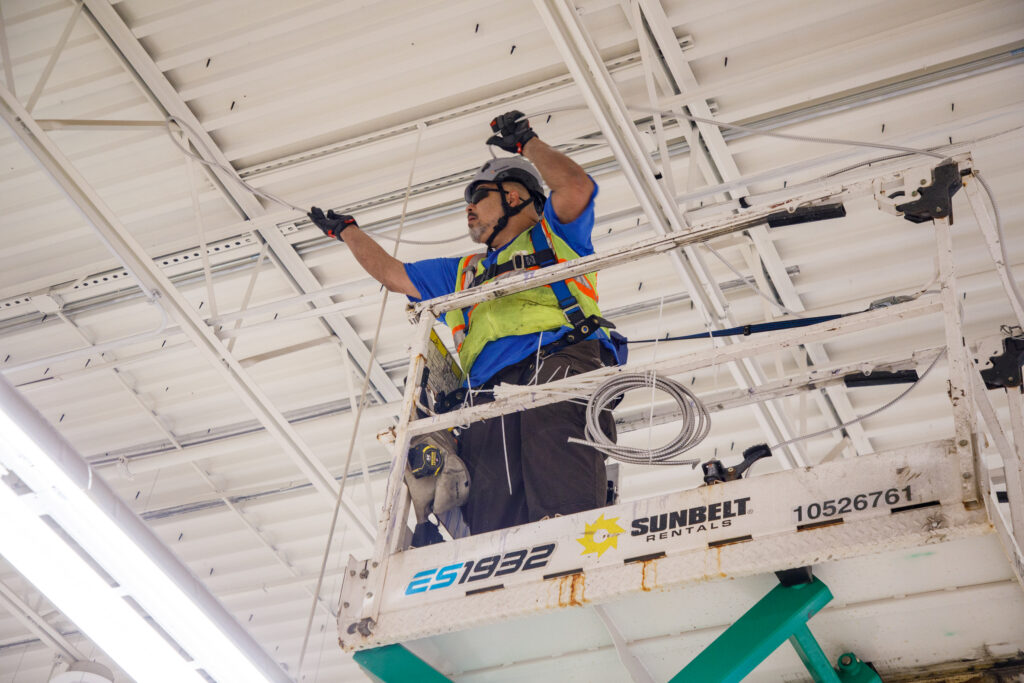
Rollouts also support marketing campaigns and brand updates.
When businesses introduce new branding, store layouts, or promotional displays, every location needs to reflect those changes.
Updating only a few locations can create an inconsistent customer experience.
Rollouts allow businesses to introduce these updates across many locations in a coordinated way. This helps ensure that marketing campaigns appear consistent in every store.
As multi-site businesses grow, managing improvements across many locations becomes more challenging.
Companies must maintain the same standards at every site while continuing to expand.
Rollouts provide the structure needed to manage these upgrades across multiple locations.
With a clear process in place, businesses can improve their facilities while maintaining quality and efficiency. For multi-site companies, this approach supports long-term growth.
Businesses with many locations must balance growth with consistency.
Structured rollout programs help companies introduce upgrades across their network while maintaining reliable standards.
Rogers Electric supports multi-site businesses with electrical infrastructure upgrades, technology installations, and coordinated rollout execution.
Schedule a consultation with our team to learn how we can support your next rollout program.