Powering the Modern Data Center
See how power flows through modern data centers and why redundancy, backup systems, and strong electrical infrastructure keep operations running.
Read More
Sports technology is changing fast. Facilities across the country are using new tools to improve performance, safety, and efficiency. These changes affect how athletes train and how facilities operate every day.
Technology now plays a major role in sports. It powers lighting, tracking systems, data platforms, and training tools. As technology grows, sports facilities need stronger electrical systems to support it.
At Rogers Electric, we see these changes firsthand. Sports facilities are upgrading systems to handle higher power needs. Electrical planning is now part of long-term facility planning.
Sports organizations invest in technology to gain better results. Coaches want more data. Athletes want better feedback. Facilities want systems that work efficiently.
Many sports facilities now run longer hours. Training centers operate all day and some run late into the night. These facilities rely on steady power to keep systems running.
Artificial intelligence also plays a growing role. Teams use AI to analyze performance and manage facilities. These systems need stable power and reliable electrical design.
Older buildings were not built for this level of demand. Without upgrades, electrical systems can struggle. This makes planning more important than ever.
Training looks different today. Technology now supports every part of athlete development.
Baseball training facilities use cameras and motion tracking. These tools measure swings, throws, and movement. Coaches use this data to improve performance and reduce injuries.
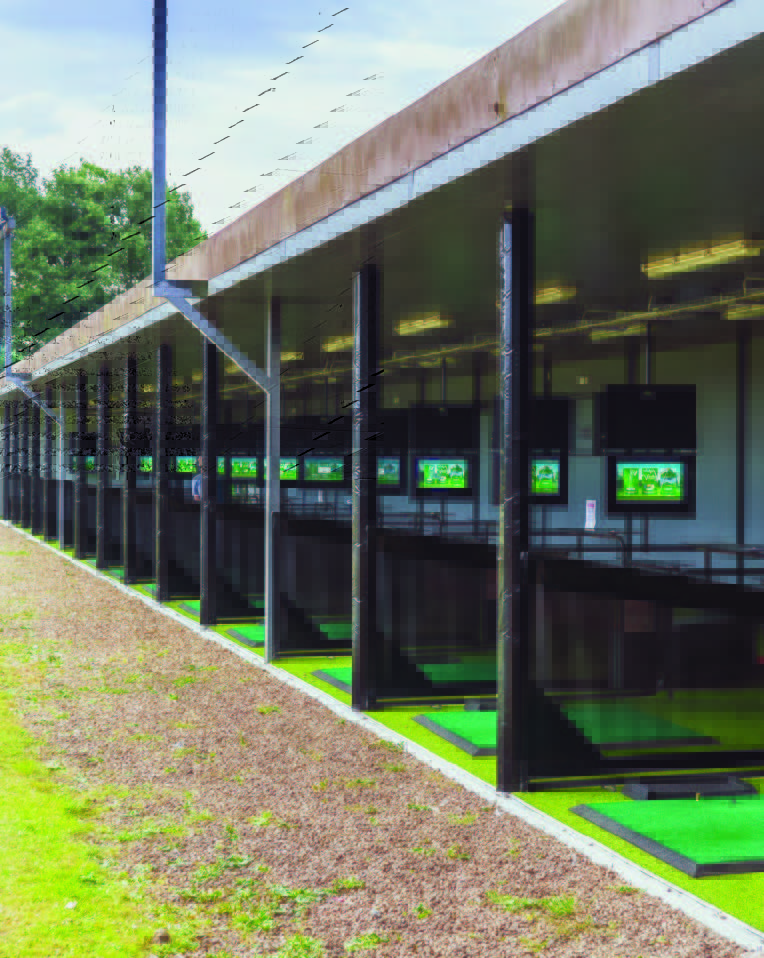
Golf facilities use radar-based systems like Trackman. These systems track ball flight, speed, and accuracy allowing players to see results instantly and adjust their technique.
These tools need power to work properly. Displays, sensors, and networks must stay online, meaning electrical systems must support constant use without interruption.
Sports facilities are doing more than basic upgrades. New technology now shapes how athletes train and how customers interact with sports spaces.
A clear example is Dick’s Sporting Goods House of Sport. These locations combine retail, training, and interactive experiences under one roof. This type of environment needs strong power and data systems.
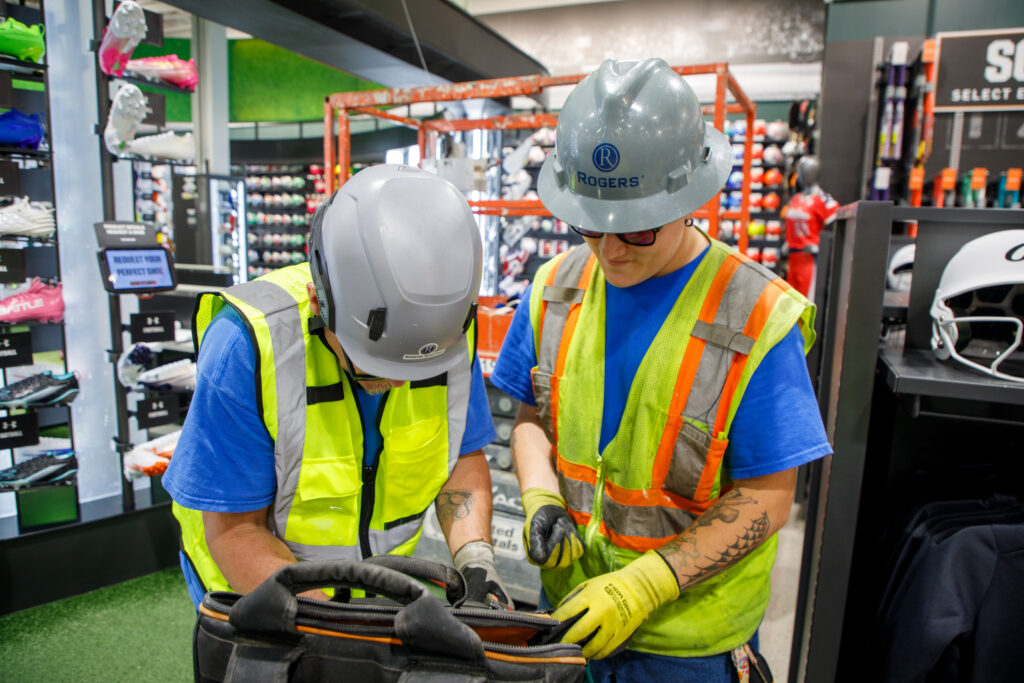
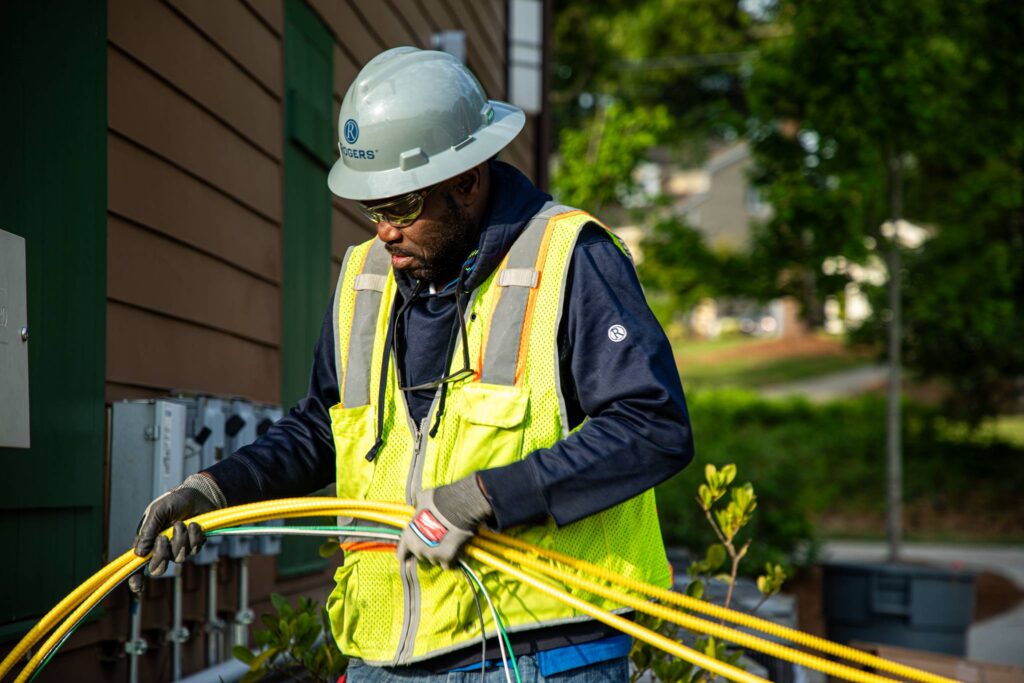
At House of Sport locations, Rogers Electric installs new 20-amp circuits to support interactive zones and training areas. Teams also install communication drops for digital displays and connected equipment. Power and data reach activity areas through floor trenches and new floor penetrations, not just walls or ceilings
These systems increase power demand. Facilities must plan ahead. Electrical systems need to support constant use and allow room for future upgrades.
Safety is another reason sports facilities invest in technology. Better systems help protect athletes, staff, and visitors.
Lighting upgrades improve visibility across fields and walkways. Clear lighting reduces the risk of trips and collisions. It also helps staff monitor activity during events and practices.
Monitoring systems also support safety. Cameras, sensors, and access controls rely on steady power. These systems help facilities respond quickly when issues occur.
Electrical systems must support all safety technology. When power is reliable, safety systems work when they are needed most.
Technology also helps manage sports facilities.
Modern systems monitor lighting, equipment, and energy use. Sensors and software track how facilities operate each day.
AI tools help predict maintenance needs by reducing downtime and improving efficiency. These tools depend on strong electrical systems to work correctly.
Facilities that plan ahead avoid future issues. Electrical systems must support both current needs and future growth.
Technology also improves the fan experience. Modern sports facilities rely on digital systems to engage visitors.
Scoreboards, displays, and mobile apps provide real-time information. Fans expect clear visuals and fast updates during games and events.
Facilities also use technology for ticketing, concessions, and crowd flow. These systems help reduce wait times and improve overall comfort.
This technology depends on electrical reliability. Strong systems help facilities deliver smooth experiences without interruptions.
Sports facilities continue to upgrade their infrastructure.
Electrical systems must support higher loads. They must power lighting, displays, servers, and training equipment. Facilities also need space to grow.
Planning ahead helps facilities avoid disruptions. Systems with extra capacity allow for future upgrades.
Without planning, facilities may face outages or delays. Strong electrical systems help prevent these problems.
As technology grows, facilities face common challenges.
1. Power Capacity
Technology increases electrical demand. Panels and distribution systems must support higher loads safely.
2. Reliability
Training and events depend on steady power. Even short outages can cause problems.
3. Data
Technology relies on power and networking. Electrical planning must support both.
4. Energy Efficiency
Facilities want to manage energy costs. Efficient systems help control usage.
5. Future Growth
Technology changes quickly. Electrical systems must allow for upgrades later.
6. Changing Customer Experience
Customer expectations change quickly. Electrical systems must stay flexible to support new technology and updated spaces.
Customer expectations are changing quickly. By 2026, athletes and fans expect technology to be part of every sports experience.
Customers look for interactive screens, live performance data, and digital tools that respond in real time. They expect training zones, retail spaces, and venues to feel connected and easy to use.
Retail sports spaces now blend shopping with experience. Customers want to test equipment, view data, and engage with technology before making decisions. These experiences depend on reliable power and data access throughout the space.
Sports facilities that support these expectations stay competitive. Electrical systems must be flexible and ready to support new technology as experiences continue to evolve.
Sports technology will continue to grow. AI, data tools, lighting systems, and training platforms will become more common.
Electrical systems must keep pace. Facilities that invest in strong systems will be ready for the future.
At Rogers Electric, we help sports facilities plan and build electrical systems that last. Our teams support technology upgrades with reliable solutions.
Modern sports facilities rely on technology to operate, train, and perform. That technology depends on reliable electrical systems.
Rogers Electric works with sports facilities to design and install electrical infrastructure that supports current needs and future upgrades. Our teams help facilities avoid downtime and prepare for what comes next.
Reach out to Rogers Electric today to start planning electrical systems built for advanced sports technology.