Smart Building Systems: Everything Businesses Need to Know
Smart building technology helps businesses improve efficiency, reduce energy use, and automate building operations through connected systems.
Read More
Lighting upgrades are picking up speed across the country.
Retail stores, warehouses, data centers, and offices are all investing in better lighting systems as they plan for 2026. The goal is simple: reduce energy use, improve performance, and create better spaces.
But many businesses still approach a lighting upgrade the wrong way.
Many businesses focus on fixtures first.
Others chase energy savings without a plan.
Some treat the upgrade like a quick fix instead of a long-term investment.
That is where problems start.
A successful lighting upgrade starts before anything is installed. It starts with a clear strategy, a strong understanding of the space, and a plan that supports business operations long term.
Every lighting upgrade should begin with a plan, not a product.
Before selecting fixtures or systems, businesses need to ask a few key questions:
These answers guide every decision that follows.
A short-term space may only need a simple upgrade. A long-term facility may need a full redesign of its lighting systems.
According to industry guidance from FacilitiesNet, the most successful projects align lighting decisions with long-term business goals. That includes future layouts, employee needs, and changes in operations.
Without that planning, businesses risk installing systems that do not match how the space is actually used.
Energy savings are important. But they should not be the only goal.
Lighting accounts for a significant portion of electricity use in commercial buildings, creating major opportunities to reduce operating costs through efficient upgrades.
A strong lighting upgrade improves more than just utility costs. It supports the entire business.
That includes:
Many businesses focus only on installing energy efficient lighting to lower their bills. That approach can miss bigger opportunities.
For example, poor lighting design can create glare or uneven light levels. That can lead to discomfort and lower productivity.
The goal is not just to cut costs, it’s to improve how the space works every day.
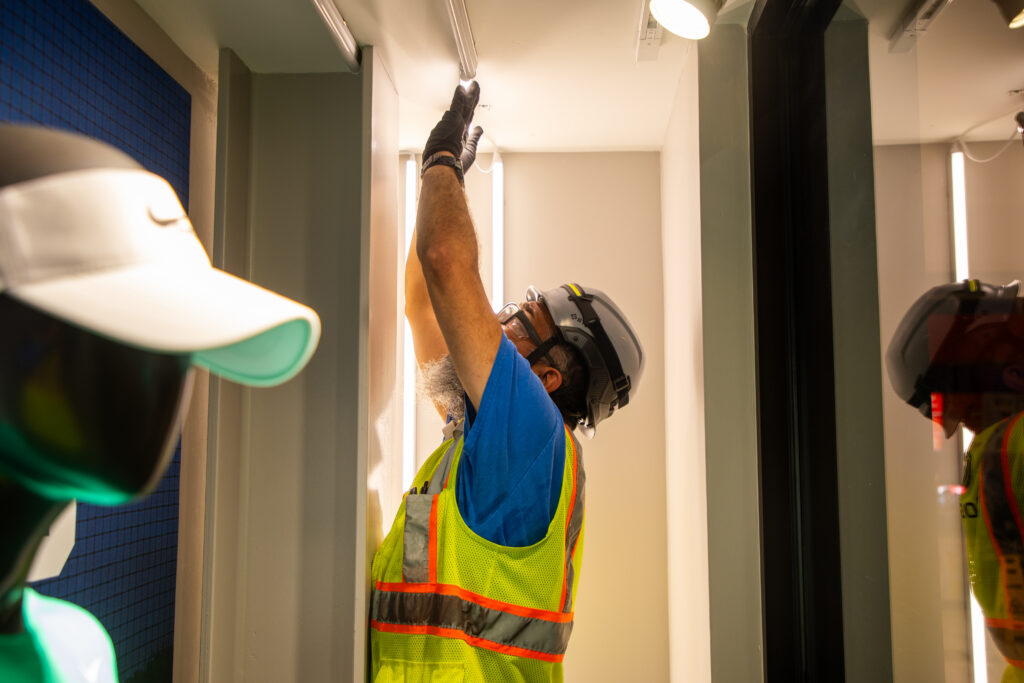
Lighting should match the way people use a space.
This sounds simple, but it is often overlooked.
Different environments require different lighting systems:
If lighting does not match the task, it creates problems.
Employees may struggle to see clearly. Customers may not notice products. Maintenance teams may need to add temporary lighting to get work done.
This leads to wasted time and lower performance.
A lighting upgrade should support the way the business operates, not work against it.
One of the biggest decisions in any lighting upgrade is whether to retrofit or fully redesign the system.
A retrofit uses the existing layout and replaces fixtures with newer, more efficient options. This is faster and often more cost effective upfront.
But retrofits have limits.
They keep the same fixture locations, even if those locations are not ideal for modern lighting systems.
A redesign takes more planning. It allows businesses to rethink the entire layout.
That includes:
A redesign can improve performance and long-term energy savings. It can also better support future changes in the facility.
Businesses should not default to the fastest option. They should choose the option that supports their long-term goals.
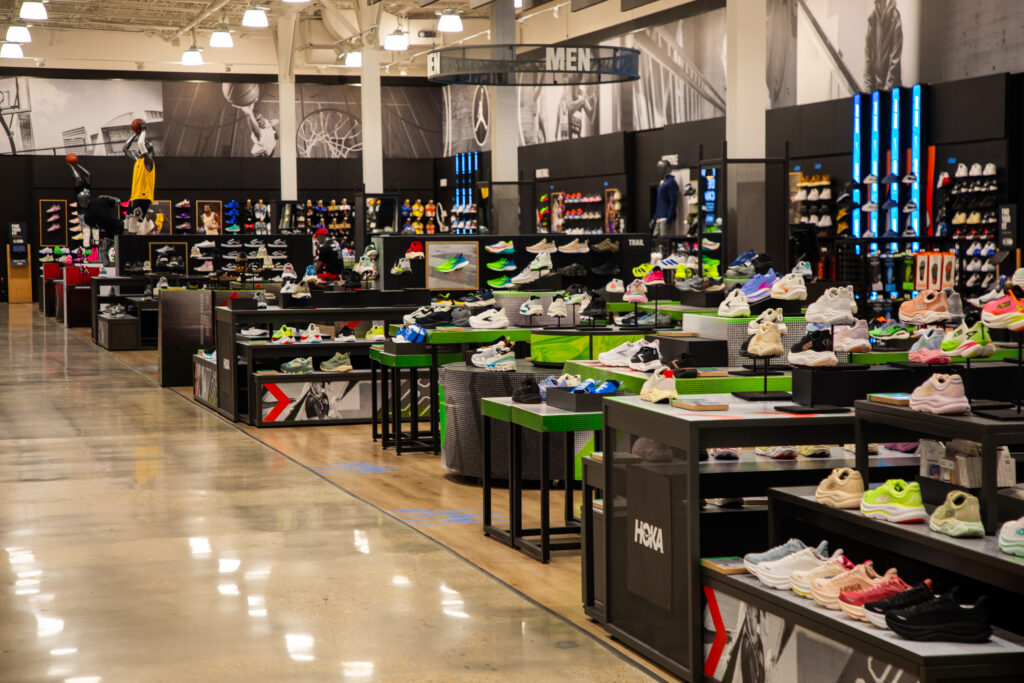
Lighting is no longer just on and off.
Modern lighting systems include controls that improve efficiency and flexibility.
These include:
Lighting controls can deliver major energy savings. In many cases, they reduce energy use by a large margin while improving how the space operates.
They also support smarter business operations.
Lighting systems can now connect to building systems and provide data. That data helps businesses understand how spaces are used and where they can improve.
If a lighting upgrade does not include controls, it is already behind.
Maintenance is one of the most overlooked parts of a lighting upgrade.
It should be part of the plan from the start.
Some lighting systems look great on day one but are hard to maintain. Fixtures placed in difficult locations or systems that require special tools can increase labor costs over time.
That affects business operations.
Maintenance teams may need more time to complete simple tasks. Equipment downtime may increase. Costs may rise over the life of the system.
A well-planned lighting system should be easy to access, easy to service, and built to last.
This is where long term thinking matters most.
Lighting upgrades must meet energy codes and take advantage of available programs.
Across the United States, lighting accounts for a large share of energy use in commercial buildings. Because of this, there are strict energy standards and growing incentive programs.
Many businesses can reduce project costs through rebates and incentives tied to energy savings and energy efficient systems.
These programs can make upgrades more cost effective.
But they should not drive the entire decision.
The focus should stay on performance, reliability, and long term value. Incentives should support the project, not define it.
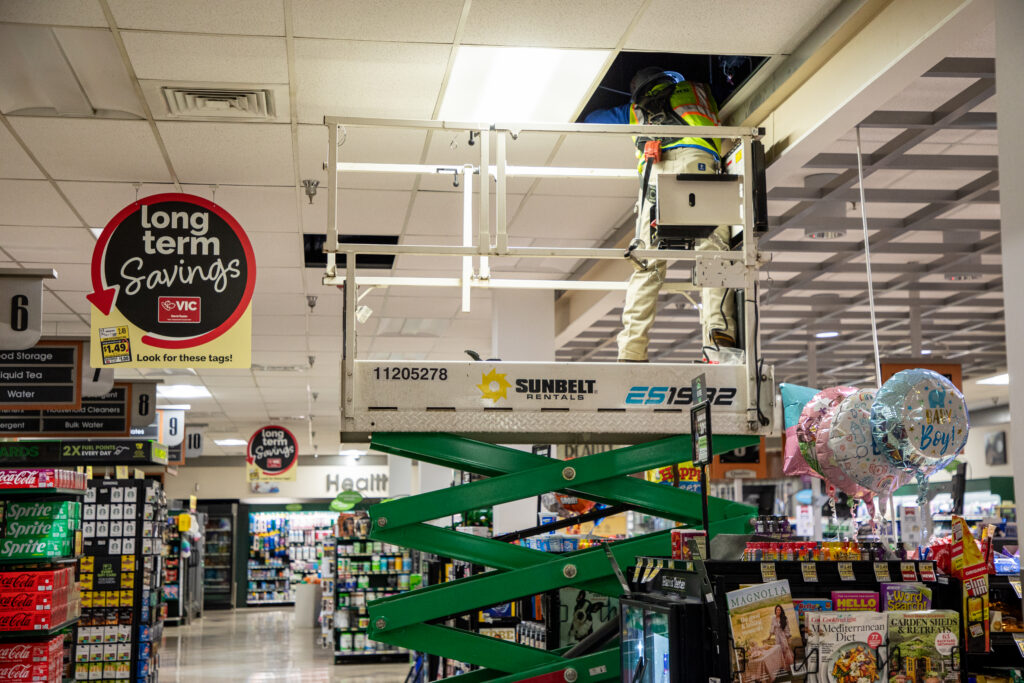
A lighting upgrade does not happen in isolation.
It affects daily operations.
Businesses need to plan for:
Poor planning can interrupt business operations and reduce productivity.
A strong plan reduces disruption.
It ensures the lighting upgrade supports the business instead of slowing it down.
Lighting technology continues to evolve.
What works today may not meet future needs.
That is why businesses should focus on long term flexibility.
A good lighting system should:
This is especially important for growing businesses.
As operations change, lighting systems should be able to adapt without requiring a full replacement.
A lighting upgrade involves more than installing fixtures.
It requires planning, design, coordination, and execution.
Working with the right partner makes a difference.
An experienced team can evaluate the facility and identify opportunities for improvement.
This helps businesses avoid common mistakes and get better results from their investment.
A successful lighting upgrade starts with the right plan.
It’s not just about new fixtures. It’s about building lighting systems that support your business, improve energy savings, and strengthen long term performance.
Schedule a consultation today with our pre-construction team to evaluate your facility, identify opportunities, and build a lighting upgrade strategy that works for your business.