Data center facilities need more power than ever before. AI, cloud computing, and modern servers are pushing many facilities to their limits.
Many older data centers were built years ago when power demand was much lower. Today, companies need stronger electrical systems, better cooling, and more backup power to support modern technology.
Because of this, more companies are upgrading older facilities instead of building new ones. These upgrades are called data center retrofits.
Retrofit projects often include electrical upgrades, cooling improvements, backup generators, power distribution upgrades, and new monitoring systems.
For many companies, retrofits are the fastest way to prepare for future growth.
Why Older Data Centers Are Falling Behind
Many older data centers were built for smaller workloads. Today’s servers use much more power and create much more heat.
Some facilities are already running out of power capacity. Others have cooling systems that cannot keep up with modern workloads.
In some buildings, it is also difficult to support higher rack density without major upgrades.
As demand grows, these problems become harder and more expensive to manage. That is one reason why more companies are investing in data center modernization projects.
AI Is Driving a Massive Infrastructure Shift
AI is changing the data center industry quickly. Modern AI systems use much more power than older systems. They also create much more heat.
GPU servers place more demand on electrical systems, cooling infrastructure, and backup power systems. Many older buildings were never designed for this type of workload.
AI is also increasing rack density as operators place more equipment into smaller spaces. That creates even more heat and puts more pressure on electrical infrastructure.
Because of this, many companies are upgrading their facilities to support larger workloads while maintaining performance and reliability.
Why Retrofitting Makes More Sense for Many Facilities
Building a new data center is expensive and takes a long time. Land, labor, utility access, and construction costs continue to rise.
Because of this, many companies are upgrading existing facilities instead.
Retrofitting allows operators to modernize infrastructure faster while continuing to use buildings they already own.
Many retrofit projects focus on electrical upgrades, cooling systems, backup power, and infrastructure designed for future growth.
For many operators, retrofitting has become the faster and more practical option.
The Electrical Side of Data Center Retrofits
Electrical systems are one of the most important parts of retrofit projects. Modern data centers need reliable power to support AI workloads, higher rack density, and advanced cooling systems.
Many older facilities cannot support current demand. This creates problems for switchgear, generators, UPS systems, power distribution, and cabling throughout the building.
Electrical upgrades are often one of the first steps in a retrofit project because modern workloads require stronger infrastructure.
Many operators are also improving backup power systems to reduce the risk of downtime.
Reliable power is now one of the most important parts of a modern data center.
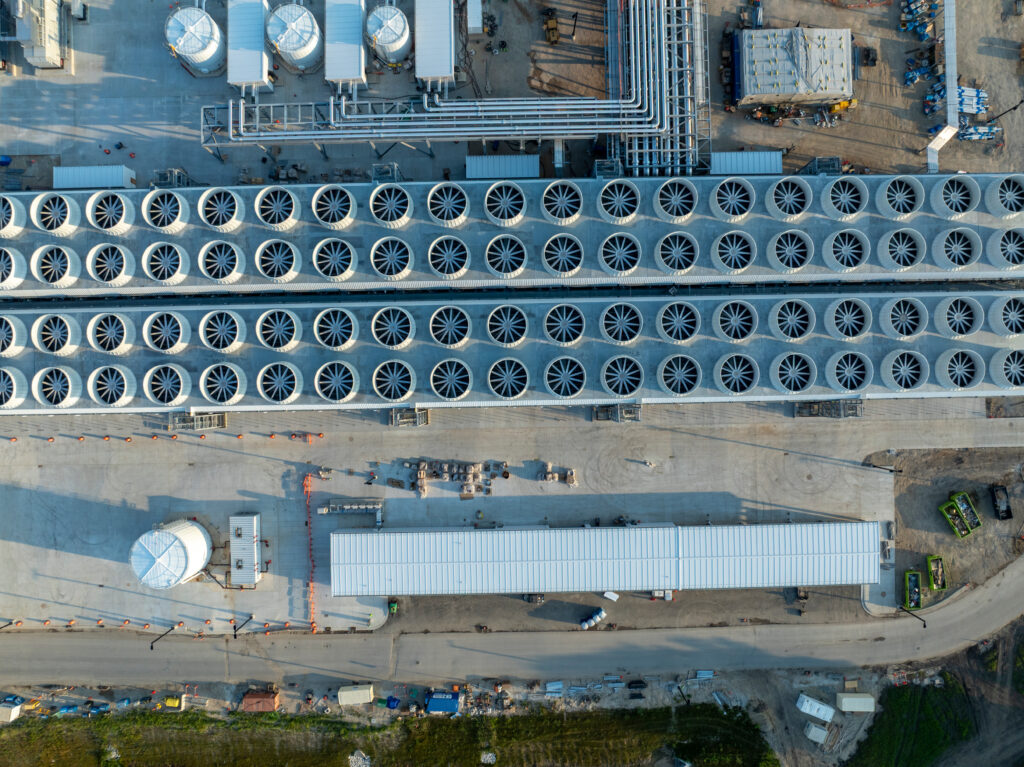
Data center cooling infrastructure and mechanical systems supporting high-density computing environments.
Source: Adobe Stock
Cooling Upgrades Are Reshaping Facilities
Cooling is becoming a bigger challenge for modern data centers. New servers create more heat, and many older air cooling systems are struggling to keep up.
Because of this, many facilities are investing in liquid cooling systems, upgraded heat exchangers, and better cooling equipment.
These systems help improve performance and reduce energy use.
Most cooling upgrades also require electrical upgrades because newer cooling systems need more infrastructure and monitoring equipment.
Cooling systems now play a larger role inside modern data centers. If temperatures rise too high, equipment performance can drop and systems may fail.
That is why many operators are adding monitoring systems that track temperatures in real time and help teams respond to problems faster.
Reliability and Redundancy Matter More Than Ever
Data centers cannot afford downtime.
Power systems and cooling systems must work together.
Many retrofit projects now focus on redundancy and backup power.
Facilities are also adding better monitoring systems.
These upgrades help improve reliability.
They also help facilities prepare for future demand.
Sustainability Is Also Driving Retrofits
Many companies want to lower energy use.
Older systems often waste power.
New systems are more efficient.
They also help lower operating costs.
For many operators, retrofits help improve performance and efficiency at the same time.
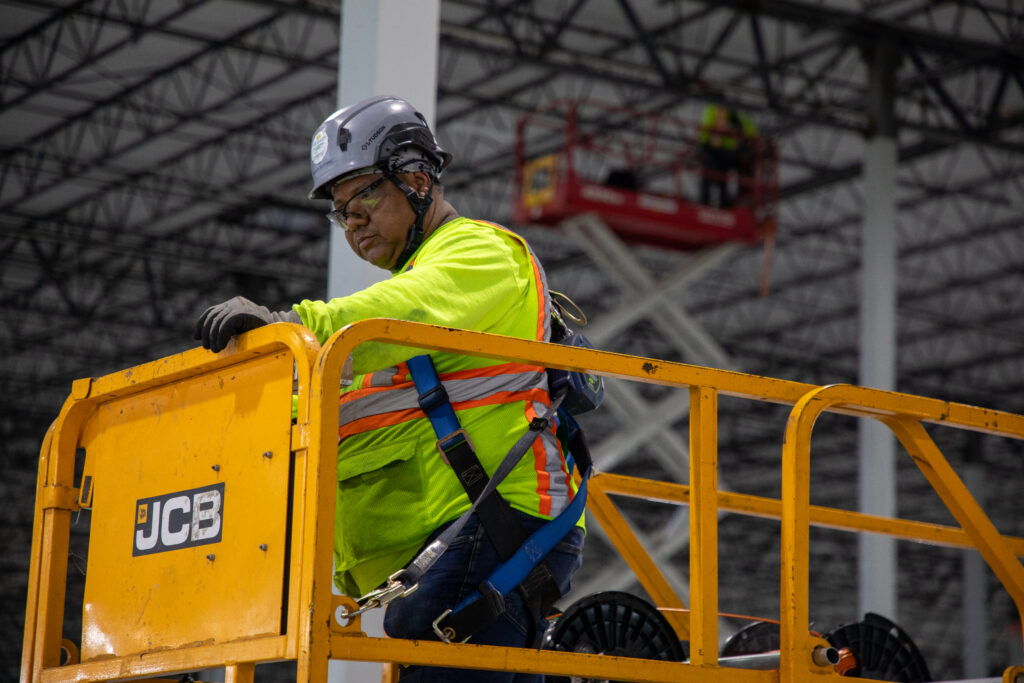
Electrician working inside a large-scale data center construction project.
Source: Rogers Electric
What This Means for Electrical Contractors
Retrofit projects are creating more demand for electrical contractors.
These projects often include electrical upgrades, backup power systems, cooling integration, and new infrastructure.
Many projects are much larger than standard upgrades.
Facilities need partners that understand modern data center infrastructure.
Electrical contractors play a major role in helping facilities stay online during upgrades.
Many retrofit projects happen while parts of the facility are still operating.
That requires careful planning and reliable execution.
Operators also want infrastructure that can support future growth.
That is why long-term planning has become an important part of modern retrofit projects.
Why 2026 Is a Turning Point
Data center demand keeps growing.
AI is growing fast.
Power demand is increasing.
Cooling systems are changing.
Many older facilities cannot keep up.
That is why more companies are investing in upgrades.
Many operators believe retrofits are the fastest way to prepare for future demand.
The Bottom Line
Data center retrofits are becoming more important every year.
Older facilities are struggling to support AI workloads, higher power demand, and modern cooling systems.
Because of this, many companies are investing in upgrades.
Electrical infrastructure is now a major focus.
Facilities that modernize now will be better prepared for future growth.
What Do You Think About the Future of Data Centers?
Data centers continue growing as AI, cloud computing, and digital infrastructure expand across the country.
Many companies see data centers as critical for future technology, business growth, and economic development. At the same time, rising power demand is creating new conversations around energy use, sustainability, and infrastructure.
Modern AI data centers and mission critical facilities require massive amounts of electrical infrastructure to stay online.
That is one reason why data center retrofits and modernization projects are becoming more important across the industry.
No matter the viewpoint, one thing is clear: data center infrastructure is changing fast.
What do you think?
Are data centers helping drive the future of technology, or do rising power demands create new challenges for communities and infrastructure?
Head to Rogers Electric’s social media channels to continue the conversation online.